
Living with Wildlife
If you encounter a sick, injured, or distressed animal, wild or domestic, please contact the Niagara SPCA & Humane Society at 905-735-1552 Ext 3 for assistance.
Don’t Feed Wildlife
Wild animals are an important part of our community and ecosystem. Whether you encounter birds, raccoons, squirrels, coyotes, or other wildlife, there are simple steps you can take to help keep both animals and people safe.
It may seem like a kind gesture, but feeding wildlife can have serious consequences for animals, people, and pets.
When wild animals become dependent on human food sources, they can lose their natural ability to find food, become less fearful of people, and face increased risks of illness, injury, and death.
Why Feeding Wildlife Is Harmful
Wildlife-Proof Your Property
Wild animals have evolved to eat natural foods. Human food often lacks the nutrients they need and can cause digestive issues, malnutrition, and poor overall health.
It Spreads Disease
Food attracts animals into unnaturally large groups, increasing the spread of disease between wildlife, domestic animals, and people.
It Causes Habituation
Animals that associate people with food can lose their natural fear of humans, leading to property damage, vehicle collisions, and increased human-wildlife conflict.
Quick Tips
- Never intentionally feed wildlife
- Keep garbage and compost secure
- Store pet food indoors
- Pick up fallen fruit from your yard
- Clean outdoor eating areas promptly
- Avoid littering
The best way to help wildlife is to keep them wild.
Wildlife-Proof Your Property
Many wildlife conflicts begin when animals discover easy food sources around homes. A few simple steps can help keep wildlife safe while reducing unwanted visits.
Common Wildlife Attractants
- Garbage
- Compost
- Pet food
- Bird seed
- Fallen fruit
- Outdoor food waste
Prevention Tips
- Put garbage out the morning of collection
- Use wildlife-resistant containers
- Store pet food indoors
- Clean up fallen fruit promptly
- Secure compost bins
- Keep outdoor spaces free of food waste
- Store bird seed in sealed containers
Why It Matters
When wildlife repeatedly finds food around homes, animals can become comfortable around people and lose their natural behaviours.
Preventing access to food helps keep wildlife healthy, wild, and safe while reducing conflicts in our community.
Baby Season
Each spring and summer, wildlife parents work hard to raise their young. Many baby animals that appear abandoned are actually being cared for nearby.
Before You Intervene
- Observe from a distance
- Keep children and pets away
- Give the parent time to return
- Contact the Niagara SPCA if you are unsure whether help is needed
Wildlife parents often leave their young alone for extended periods while they search for food. In many cases, the best way to help is to leave them where they are.
Living with Birds
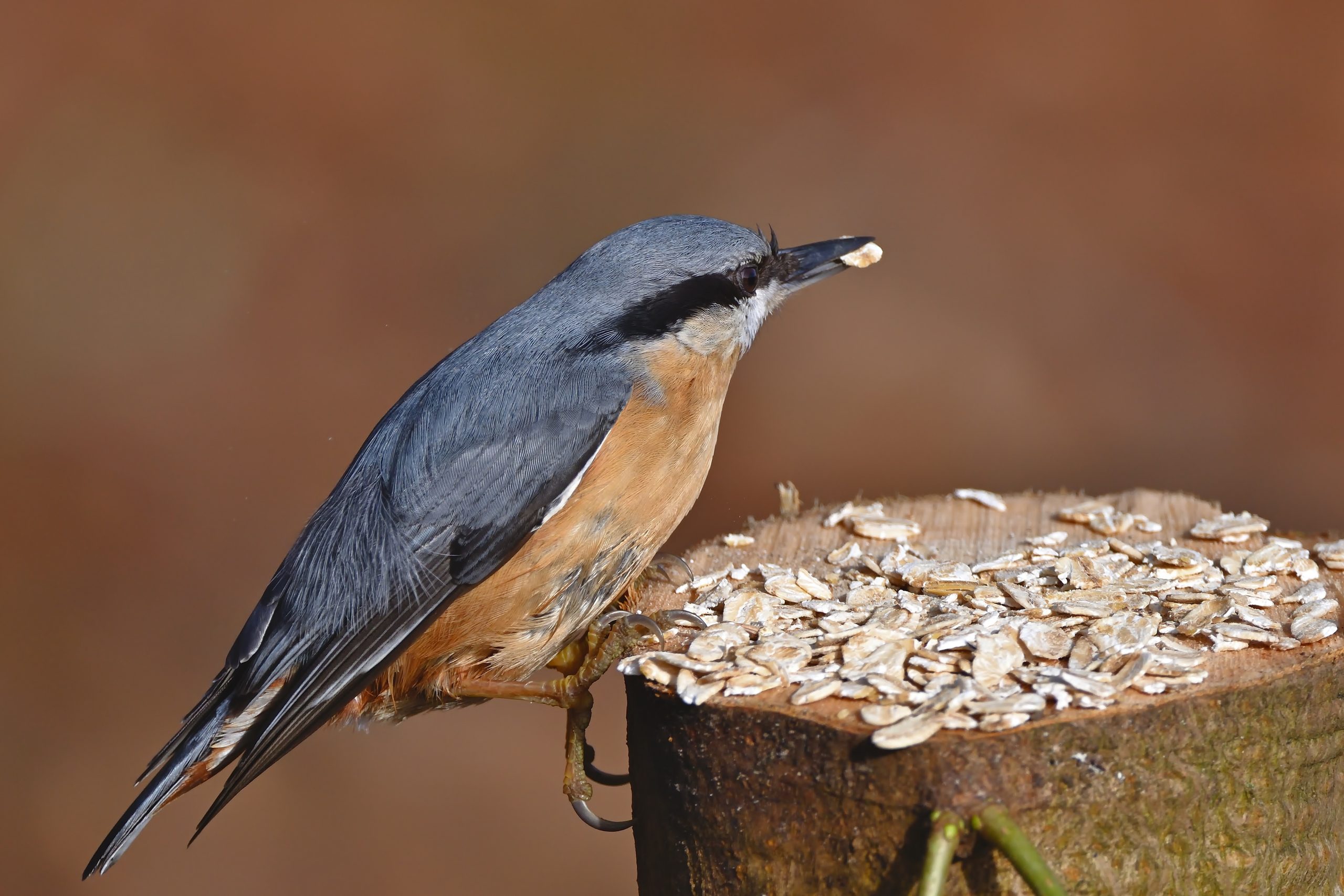
Attract Birds Naturally
Birds play an important role in our ecosystem and can be a wonderful part of your backyard environment. Rather than relying solely on bird feeders, consider creating a natural habitat that supports birds year-round.
Bird-Friendly Alternatives
- Plant native trees, shrubs, and flowers
- Provide fresh water through a clean bird bath
- Install bird houses suited to local species
- Avoid pesticides and herbicides
- Keep cats indoors
If You Use Bird Feeders
Bird feeders require regular maintenance to prevent disease transmission.
- Clean feeders regularly
- Remove feeders immediately if you see sick birds
- Keep feeding areas free of spilled seed
- Place feeders away from windows
- Feed seasonally when natural food sources are limited
- Refresh bird bath water regularly
- Healthy habitats help support healthy bird populations.
Living with Raccoons
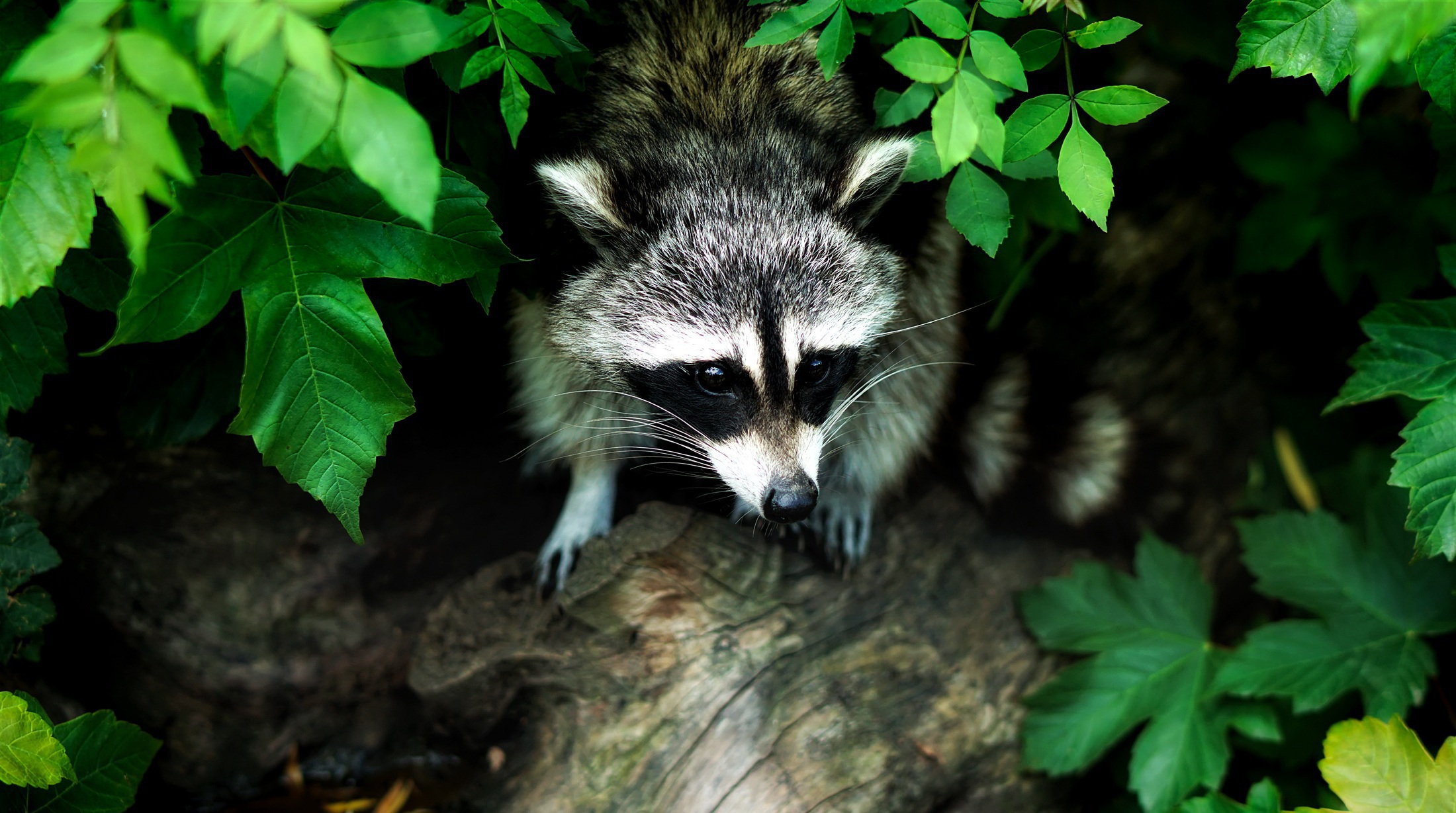
Raccoons are intelligent, adaptable animals that are common throughout Niagara. They often seek food and shelter near homes, especially during spring when mothers are raising their young.
Baby Season
From spring through early summer, raccoon mothers may choose attics, sheds, decks, or other sheltered areas to raise their babies.
If you discover baby raccoons:
- Check for the mother before taking action
- Avoid separating babies from their mother
- Do not attempt to relocate them yourself
- Contact a wildlife professional if assistance is needed
In many cases, mothers will move their babies on their own once the young are old enough.
Tips
- Secure garbage and compost bins
- Keep pet food indoors
- Remove outdoor food sources
- Seal potential denning sites after ensuring no animals are present
- Never intentionally feed raccoons
Living with Coyotes
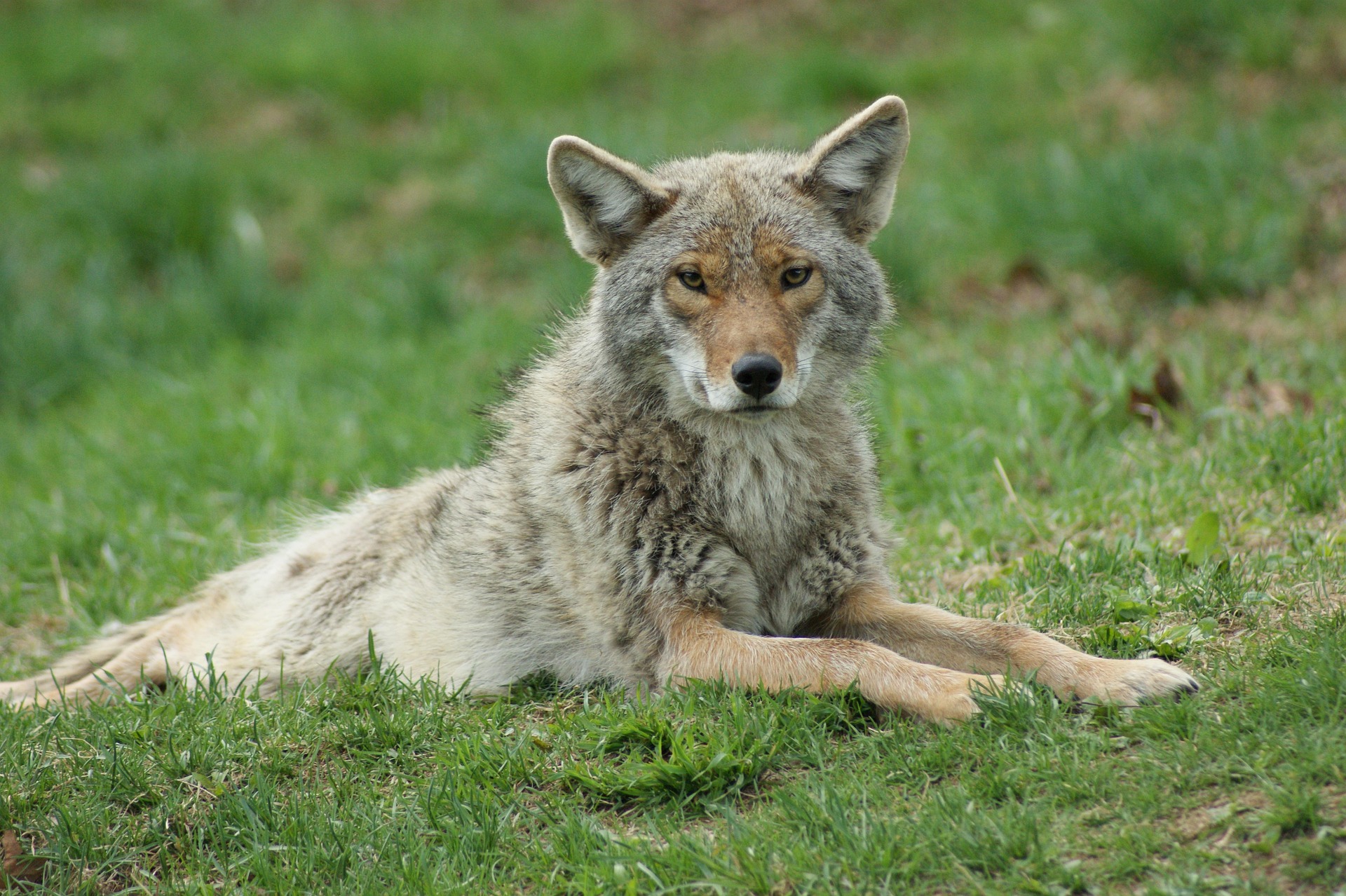
Coyotes are a natural part of Niagara’s ecosystem and help control rodent populations. While seeing a coyote can be surprising, they generally avoid people.
Coyote Pup Season
Coyotes typically raise their pups during spring and early summer. During this time, parents may be more protective of denning areas and young animals.
Tips
- Keep dogs on leash in natural areas
- Supervise small pets when outdoors
- Do not leave pet food outside
- Secure garbage and compost
- Pick up fallen fruit
- Never feed coyotes
If a coyote approaches, make yourself appear large, make noise, and encourage it to move away. This helps maintain its natural fear of people.
Living with Opossums
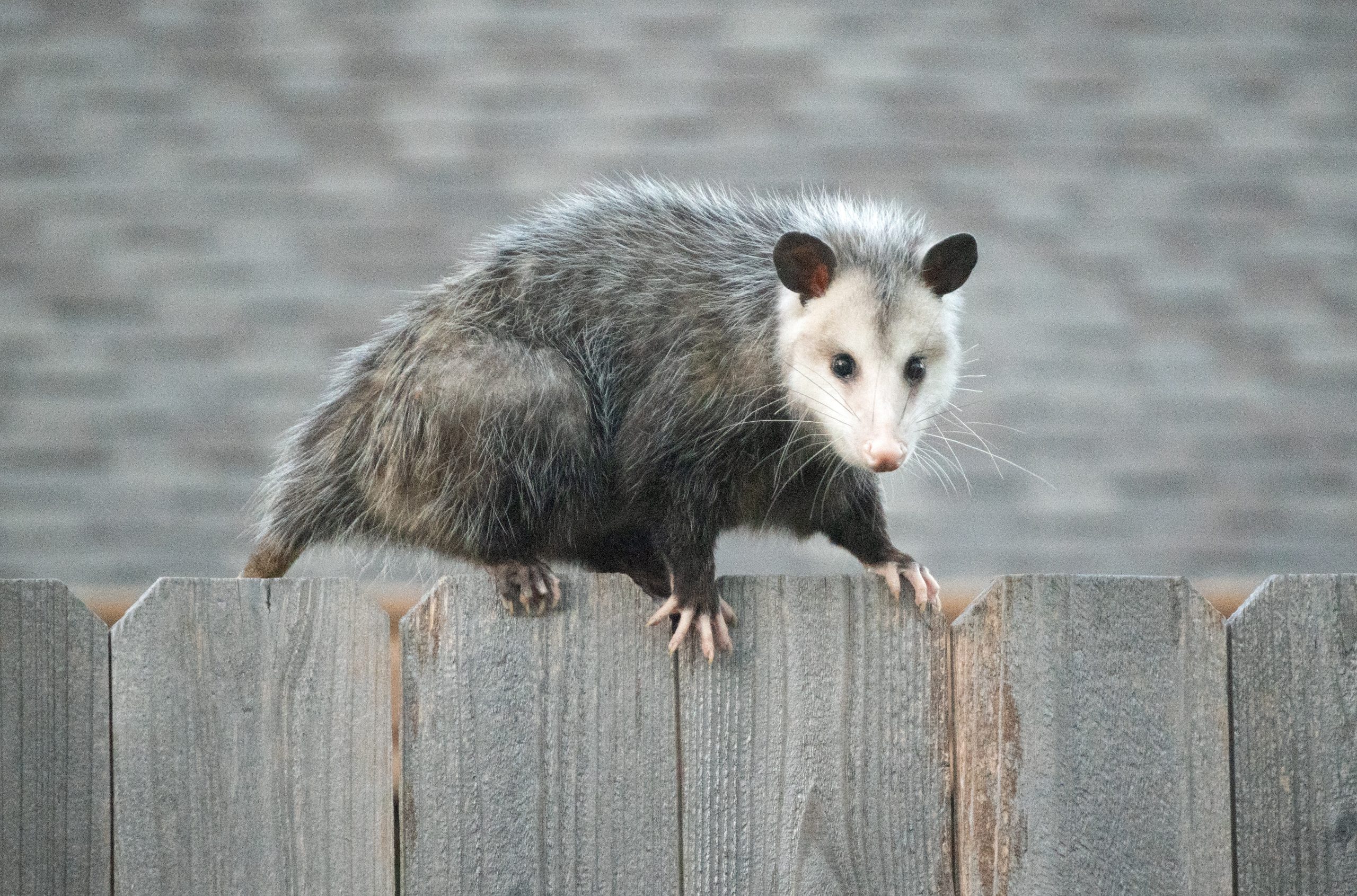
Opossums are North America’s only marsupial and are generally harmless neighbours. They play an important role in the ecosystem by consuming
insects, carrion, and other natural food sources. Unlike many wildlife species, opossums are unlikely to cause significant property damage and rarely pose a threat to people or pets.
Baby Season
Female opossums carry their young in a pouch before the babies ride on their mother’s back. Young opossums found alone that are smaller than approximately 20 cm (8 inches) in body length may require assistance, as they may be too young to survive independently.
Tips
- Allow them to move through your property undisturbed
- Secure garbage and compost
- Keep pet food indoors
- Avoid using harmful rodenticides
- Drive carefully at dawn and dusk when opossums are most active
- Opossums are beneficial wildlife and help contribute to a healthy ecosystem.
Living with Rabbits
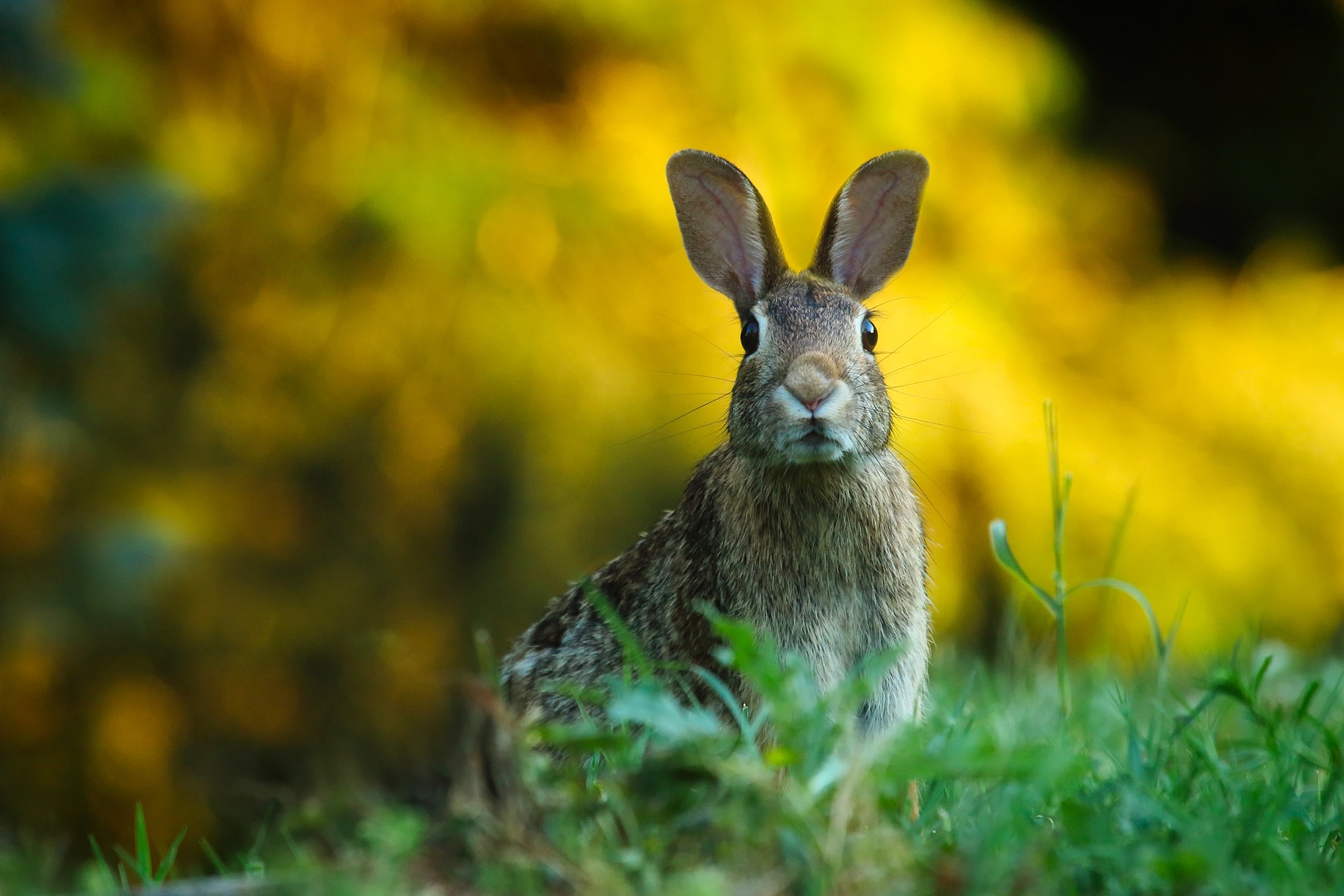
Eastern cottontail rabbits are common throughout Niagara and can often be found in parks, gardens, neighbourhoods, and natural areas. While they may seem vulnerable, rabbits are well adapted to living alongside people and are an important part of our local ecosystem.
Baby Season
Rabbit nesting season typically runs from early spring through late summer.
Mother rabbits often build shallow nests directly on the ground in lawns, gardens, flower beds, or under shrubs. These nests can be difficult to spot and may appear abandoned, but the mother is usually nearby and returns only a few times each day to feed her young.
Tips
If you find a rabbit nest
- Keep children and pets away from the area
- Avoid moving the nest or handling the babies
- Be careful when mowing lawns or gardening
- Observe from a distance and allow the mother to continue caring for her young
- Most baby rabbits are best left undisturbed unless they are visibly injured or orphaned.
Living with Rabbits
- Check your yard before mowing or trimming vegetation
- Use fencing to protect gardens instead of repellents or traps
- Keep dogs supervised around nesting areas
- Plant rabbit-resistant vegetation if garden browsing becomes an issue
- Appreciate rabbits from a distance and allow them to remain wild
Rabbits play an important role in the ecosystem by helping disperse seeds and serving as prey for many native wildlife species.
Living with Skunks
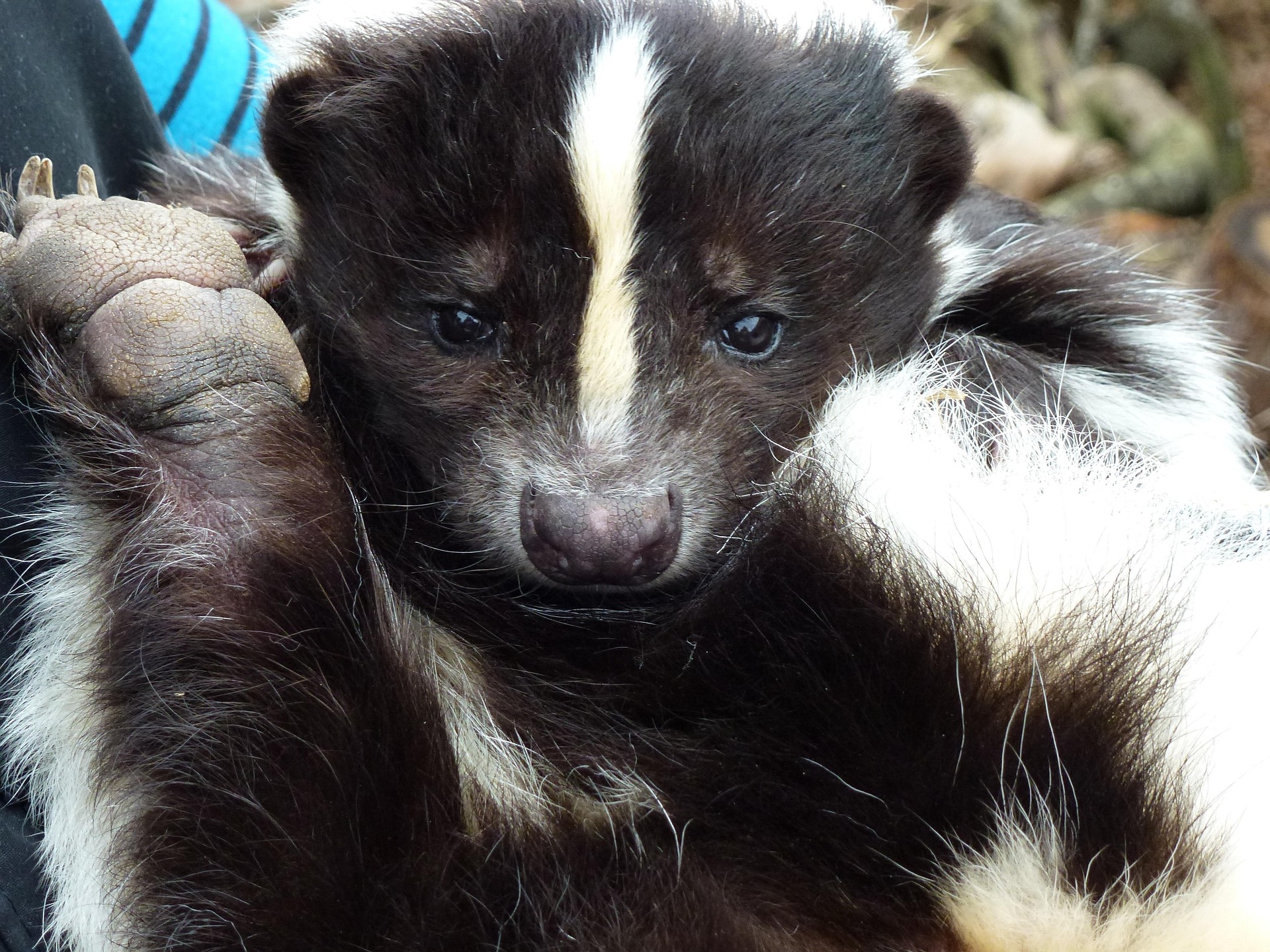
Skunks are common throughout Niagara and are generally peaceful animals that prefer to avoid people. They play an important role in the ecosystem by feeding on insects, grubs, rodents, and other pests that can damage lawns and gardens.
Baby Season
Skunks typically give birth in late spring, and mothers may choose to den under decks, porches, sheds, or other sheltered spaces while raising their young.
If you discover a skunk den:
- Give the family space and avoid disturbing the area
- Keep pets away from the den site
- Wait until the young have left before sealing access points
- Contact a wildlife professional if assistance is needed
Tips
- Keep garbage and compost secured
- Remove outdoor food sources, including pet food
- Seal openings under decks, sheds, and porches once you are certain no animals are present
- Supervise dogs, especially at dawn and dusk when skunks are most active
- Drive carefully, particularly at night
Living with Deer
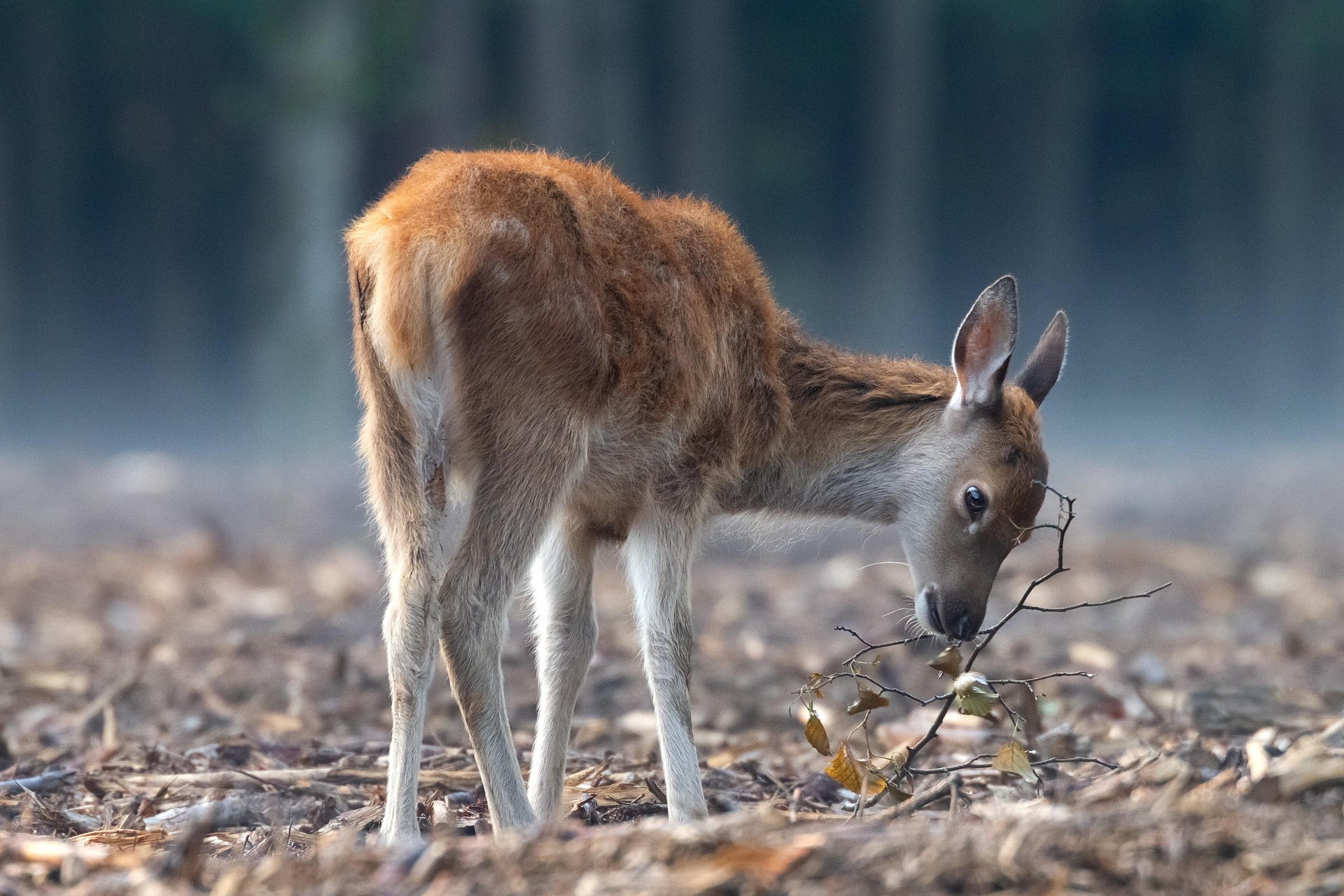
White-tailed deer are a common sight throughout Niagara and play an important role in our local ecosystem. While they are often seen in forests, fields, and conservation areas, deer have also adapted to living near neighbourhoods and urban spaces.
Fawn Season
Each spring and early summer, deer give birth to fawns. It is completely normal for a mother deer to leave her baby alone for long periods of time while she feeds nearby.
Fawns are born with very little scent and spend much of their time lying quietly and motionless in tall grass, gardens, woodlots, and other sheltered areas. This is a natural survival strategy that helps protect them from predators.
If you find a fawn alone:
- Keep your distance
- Keep children and pets away
- Do not attempt to feed or move the fawn
- Observe from afar, as the mother is likely nearby and will return
- Contact the Niagara SPCA only if the fawn appears injured, is crying continuously for an extended period, or you have witnessed the mother being killed
In most cases, a fawn that appears alone is not orphaned and does not need human intervention.
Tips
- Drive cautiously at dawn and dusk when deer are most active
- Slow down in areas where deer crossing signs are posted
- Use fencing to protect gardens and landscaping
- Keep dogs leashed in natural areas
- Never feed deer, as this can alter their natural behaviour and increase the risk of disease transmission
Did You Know
Did You Know? Coyotes
Coyotes help keep ecosystems balanced by naturally controlling rodent populations. A single coyote can remove hundreds of mice and other small rodents from an area each year, making them valuable neighbours in both rural and urban communities.
Did You Know? Raccoons
Raccoons have incredibly sensitive front paws and can identify objects by touch alone. Their dexterity helps them find food in the wild, but it also means unsecured garbage bins can be especially tempting!
Did You Know? Deer
White-tailed deer are excellent swimmers and can easily cross rivers and lakes. If you see deer in your neighbourhood, drive cautiously at dawn and dusk when they are most active and likely to cross roads.
Did You Know? Opossums
Opossums are nature’s clean-up crew. They feed on insects, carrion, and other organic material, helping keep the environment cleaner. They are also one of the most misunderstood animals in Ontario and are generally harmless to people and pets.
Did You Know? Skunks
Skunks would much rather avoid conflict than spray. Before using their famous defence, they usually provide plenty of warning signs, including stamping their feet, raising their tail, and hissing. Giving them space is often all that’s needed.
Did You Know? Birds
Birds play a vital role in pollination, seed dispersal, and insect control. Creating bird-friendly spaces with native plants, fresh water, and natural shelter helps support healthy bird populations throughout Niagara.
Did You Know? Rabbits
A mother rabbit visits her nest only a few times each day, usually at dawn and dusk, to avoid attracting predators. This often makes people think the babies have been abandoned when, in fact, the mother is doing exactly what nature intended.
If you find a nest of baby rabbits, the best thing you can do is give them space and let their mother continue caring for them.
Did You Know? Deer
A mother deer may leave her fawn alone for up to 12 hours at a time while she feeds. The fawn’s spotted coat helps it blend into its surroundings, and remaining still is one of its best forms of protection.
If you see a fawn curled up quietly by itself, the best thing you can do is leave it exactly where it is and allow its mother to return.